
If a large tree was identified at your pre-construction meeting, or DDOT has issued a stop-work order because excavation started inside a protected root zone, you need an ISA Certified Arborist and a compliant Tree Preservation Plan without delay. DMV Horticulture prepares DC Tree Preservation Plans that meet Urban Forestry Division requirements, so your permit or project can move forward without unnecessary delay.
What Is a DC Tree Preservation Plan?
The Urban Forest Preservation Act and Tree Canopy Protection Act require a Tree Preservation Plan whenever construction, excavation, or grading could affect a regulated tree on property in the District. The plan identifies every protected and special tree on site, sets protection zones and fencing, and gives DDOT’s Urban Forestry Division what it needs to approve your permit. Without an approved plan on file, permits stall and active work can be shut down mid-project.
A Tree Preservation Plan (TPP) shows how the regulated trees on or next to your property will be protected before, during, and after construction. In Washington, DC, it is reviewed and approved by DDOT’s Urban Forestry Division and submitted through the TOPS portal. It is sometimes called a tree protection plan.
When Is a Tree Preservation Plan Required?
It depends on how much your project affects a tree’s Critical Root Zone (CRZ). DDOT defines the CRZ as 1.5 feet of radius for every inch of trunk diameter, measured 4.5 feet above the ground.
- No impact to the CRZ: install tree protection fencing and show it on your construction drawings.
- Less than 25% of the CRZ affected: a Basic Tree Preservation Plan showing all tree protection measures.
- More than 25% of the CRZ, or any part of the Structural Root Zone: an Advanced Tree Preservation Plan.
What Is Included in an Advanced Tree Preservation Plan?
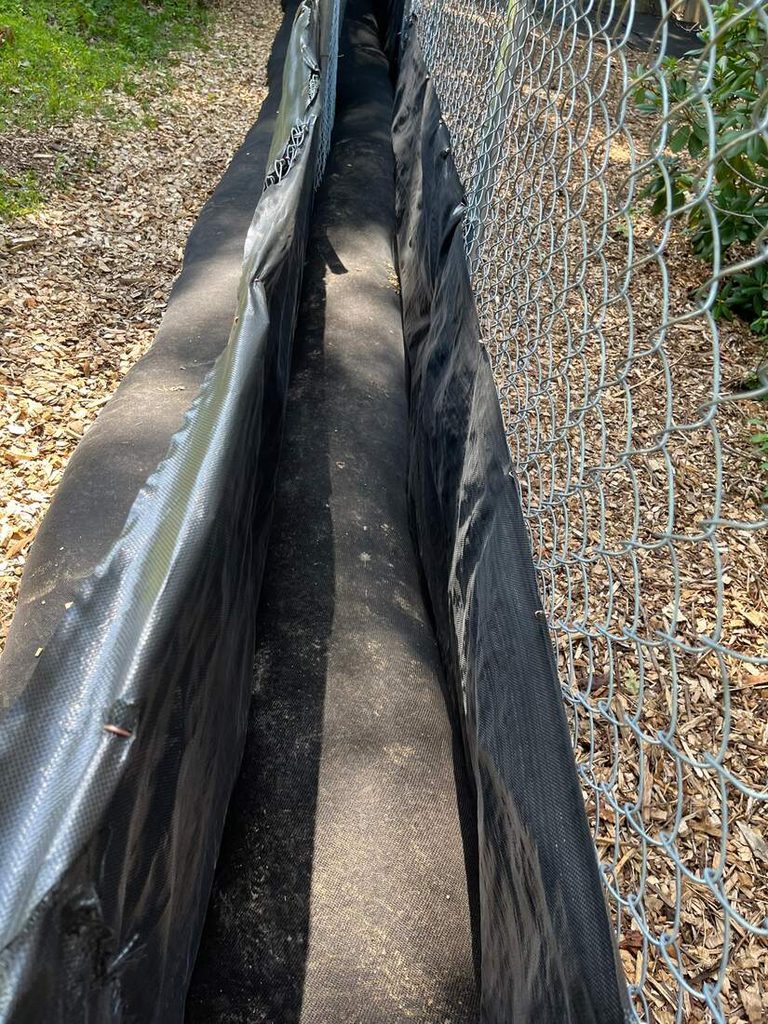
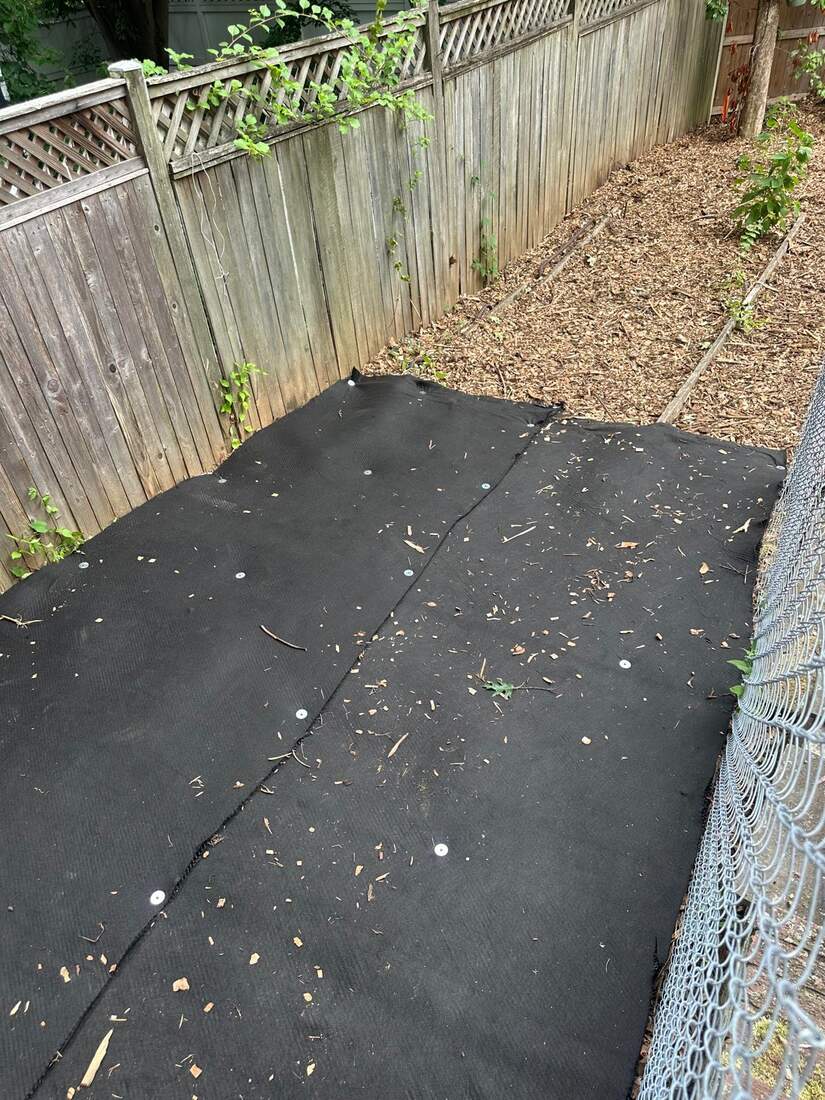
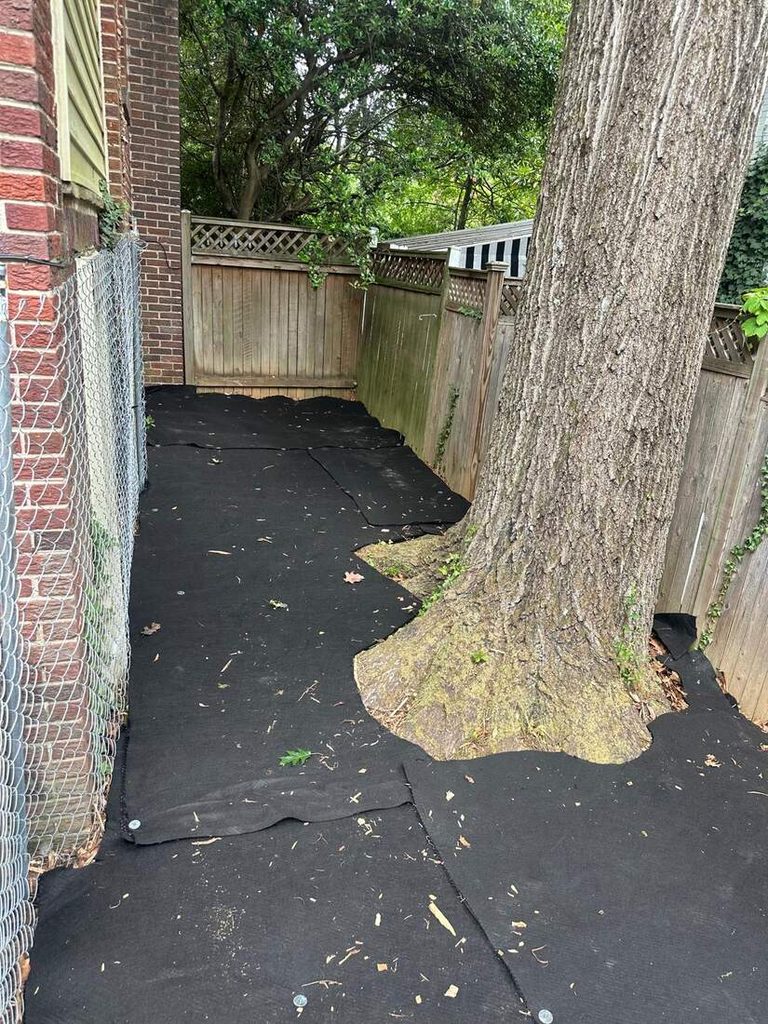
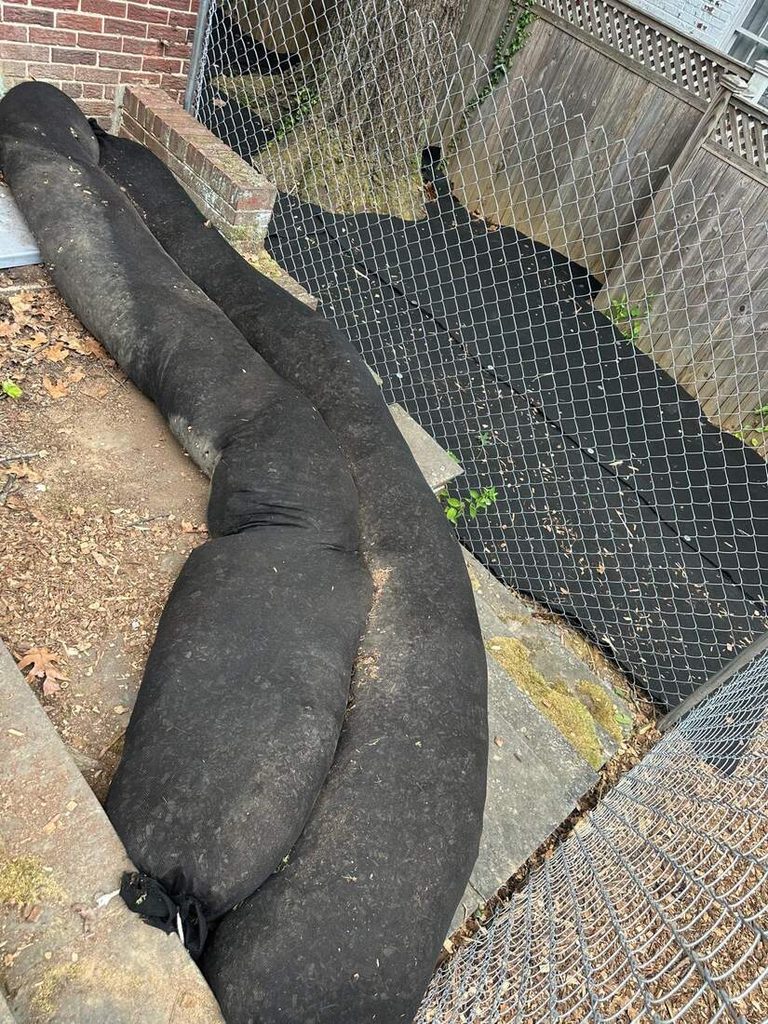
- A site plan showing tree protection measures (fencing, signage, root protection matting, root pruning)
- An arborist narrative
- An inspection checklist for before, during, and after construction
- A signed commitment letter for three years of post-construction care
Who Prepares a Tree Preservation Plan?
DDOT requires a certified arborist. The project arborist writes the plan, and the retained arborist carries it out on site. DMV Horticulture’s ISA Certified Arborist serves in both roles and coordinates the pre-construction meeting with DDOT’s field arborist.
Source: DDOT Urban Forestry Division, Tree Preservation
When You Need One Fast
- A large or mature tree was flagged at your pre-construction meeting and was not accounted for in the site plan
- DDOT issued a stop-work order because excavation or grading started inside a protected root zone
- Your permit application was rejected or delayed because no Tree Preservation Plan is on file
- An architect or engineer needs an ISA Certified Arborist’s sign-off before drawings can be submitted
What’s Included in Your Plan
- An on-site walk with an ISA Certified Arborist to identify every regulated and special tree
- Tree protection zones and fencing locations mapped against your site plan
- Practical recommendations for working around root zones during construction
- Submission-ready documentation, prepared and submitted through DDOT’s TOPS portal for Urban Forestry Division review
- On-site monitoring during construction if protected trees are near active work
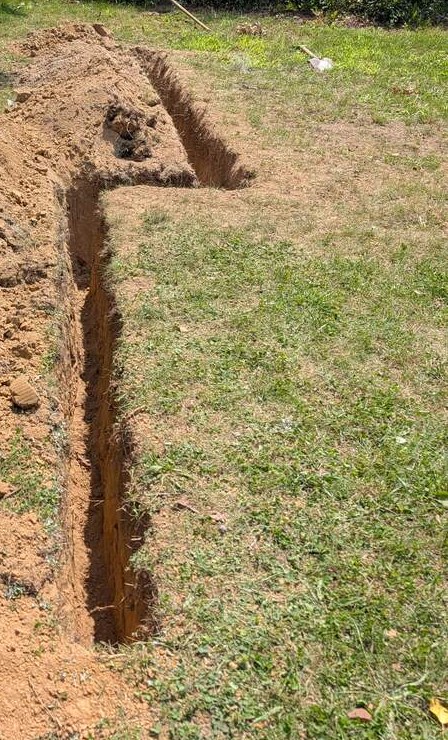
Tree Preservation Work We’ve Completed in DC
Our Process and Turnaround
Call, text, or email with the site address and a description of current site conditions. We treat every call as a priority and begin work as soon as possible. Stop-work orders and permit deadlines move to the front of the schedule. If your site has been shut down, we will work overnight to prepare the corrective plan. We prepare the plan, submit it directly through DDOT’s TOPS portal, and respond to any reviewer questions.
Why DMV Horticulture
DMV Horticulture is led by Todd Krellner, an ISA Certified Arborist and landscape contractor who has worked across Washington, DC and the surrounding region on these situations, from pre-construction tree assessments to DDOT stop-work order compliance. We have detailed working knowledge of DC’s tree preservation laws and work directly with architects, engineers, developers, contractors, and homeowners.
2026 Law Update: The Tree Preservation Enhancement Amendment Act
The Tree Preservation Enhancement Amendment Act (D.C. Law 26-113) became law on May 21, 2026, and DDOT is expected to begin applying it with the new fiscal year on October 1, 2026. It changes what DC property owners need to plan for. The threshold for a “Special Tree” dropped from 44 inches to 40 inches in circumference, extending protection to an estimated 43,000 or more additional trees across the District. The law also made the Tree Fund non-lapsing, so fees collected for tree replacement stay available for replanting and canopy programs instead of reverting to the general fund, and it puts DDOT on a 3-year fee review cycle starting in July 2029. If a tree on your site is close to that new 40-inch line, it should be re-measured. A tree that did not need a preservation plan under the old rules may need one now.
Tree Preservation Plan DC: Frequently Asked Questions
How long does DDOT take to review a Tree Preservation Plan? Most submissions receive an initial review from DDOT’s Urban Forestry Division within 5 to 10 business days through the TOPS portal, though active stop-work order cases are prioritized and often move faster.
How much does a Tree Preservation Plan cost? The biggest factor is whether your project needs a Basic or Advanced Tree Preservation Plan, which depends on how much of each tree’s Critical Root Zone is affected. Other factors include the number of regulated trees on or next to the site, and whether you need on-site tree protection and the three years of post-construction care. As an independent ISA Certified Arborist, we are typically more affordable than large engineering and tree-care firms. Call or text 443-934-0871 for a quote.
What does a Tree Preservation Plan in DC need to include? An approvable plan identifies every protected and special tree on the property, marks critical root zones and protection fencing, and documents any tree removal or mitigation required under DC tree preservation law.
Do I need a Tree Preservation Plan for a small renovation? If your project involves excavation, grading, or construction activity within the critical root zone of a regulated tree, DC requires a tree preservation plan regardless of overall project size.
Can a Tree Preservation Plan lift an active stop-work order? Yes. Once we submit a compliant Tree Preservation Plan through TOPS and DDOT approves it, the stop-work order tied to root zone excavation is typically lifted so work can resume.
Who prepares the Tree Preservation Plan? Todd Krellner, an ISA Certified Arborist, personally surveys each site and prepares every plan submitted to DDOT, so each plan reflects an accurate on-site tree assessment.
What’s the difference between a Special Tree and a Heritage Tree in DC? Under DC Code §8-651.02, a Special Tree has a trunk circumference of 40 to 99.9 inches, and a Heritage Tree is 100 inches or more (measured at 4.5 feet high). Heritage Trees carry the strongest protections in the District — removing one without a permit is unlawful, and permits are granted only if the tree is hazardous, an approved-for-removal species, or being relocated and replanted within DC. We help identify which category your trees fall into before you plan any work nearby.
Is a permit needed to remove a tree in DC? In DC, removing a Special Tree (40 to 99.9 inches in circumference) on private property requires a Special Tree removal permit from DDOT’s Urban Forestry Division, applied for through TOPS. The fee is waived for trees a DDOT arborist finds hazardous and for species on DDOT’s invasive list, but a permit is still required. Heritage Trees (100 inches or more) can only be removed if DDOT finds them hazardous. Healthy Heritage Trees cannot be removed, but they can sometimes be relocated.
What’s the difference between the Critical Root Zone and the drip line? The drip line is the outer edge of a tree’s canopy and is often used as a rough guide to where roots are. DDOT does not use the drip line for Tree Preservation Plans. It uses the Critical Root Zone (CRZ): 1.5 feet of radius for every inch of trunk diameter, measured 4.5 feet above the ground. Closer to the trunk is the Structural Root Zone (SRZ), 0.5 feet per inch of diameter, which keeps the tree stable. Any work in the SRZ, or in more than 25% of the CRZ, requires an Advanced Tree Preservation Plan.
What kind of tree protection fencing does DDOT require? DDOT’s Urban Forestry Division requires sturdy, highly visible fencing around each tree’s preservation area: 6-foot chain link on 2-inch galvanized posts driven 2 feet into the ground. Plastic fencing is not accepted. Signs in English and Spanish reading “Tree Preservation Area — No Entry” go on the fence every 20 feet. Where equipment has to cross a root zone, root protection matting such as wood chips over geotextile fabric, plywood, or gravel helps spread the load.
How much does a special tree removal permit cost in DC? DC Code §8-651.04 sets the fee at not less than $55 per inch of trunk circumference, paid into the District’s Tree Fund. The exact published rate can shift, so we confirm current TOPS fees before you apply and handle the submission for you.
What happens if a Special or Heritage Tree is removed or damaged without a permit? Unpermitted removal or damage to a Special or Heritage Tree can trigger significant fines under DC law, on top of the stop-work order itself and any required remediation. An approved Tree Preservation Plan in place before work begins avoids that risk.
Do all tree service companies prepare Tree Preservation Plans? No. Many tree care and removal companies offer tree protection during construction, such as root-zone fencing or root pruning, but that is different from preparing the actual Tree Preservation Plan document DDOT’s Urban Forestry Division requires and submitting it through the TOPS portal. Before hiring, ask whether the company has prepared Tree Preservation Plans that DDOT has approved, not only whether it performs general tree work.
Service Area
We prepare Tree Preservation Plan submissions for properties throughout Washington, DC — from Georgetown, Capitol Hill, Cleveland Park, and Petworth to Adams Morgan, Chevy Chase, Shaw, Columbia Heights, Mount Pleasant, Brookland, Bloomingdale, and Foxhall — and every ward where DDOT’s Urban Forestry Division has jurisdiction. We also serve Maryland and Northern Virginia.
Get In Touch Today
Call or text 443-934-0871 or email toddk@dmvhorticulture.com to discuss your tree preservation plan. If a stop-work order has been issued, note it when you contact us so the site visit can be prioritized.
Or send your project details below and Todd will follow up.